Complete Guide
Somali Food: Dishes, Spices & Traditions Worth Discovering
From fragrant rice and spiced tea to pillowy canjeero, here is everything you need to know about one of East Africa’s most underrated cuisines.
What Is Somali Food?
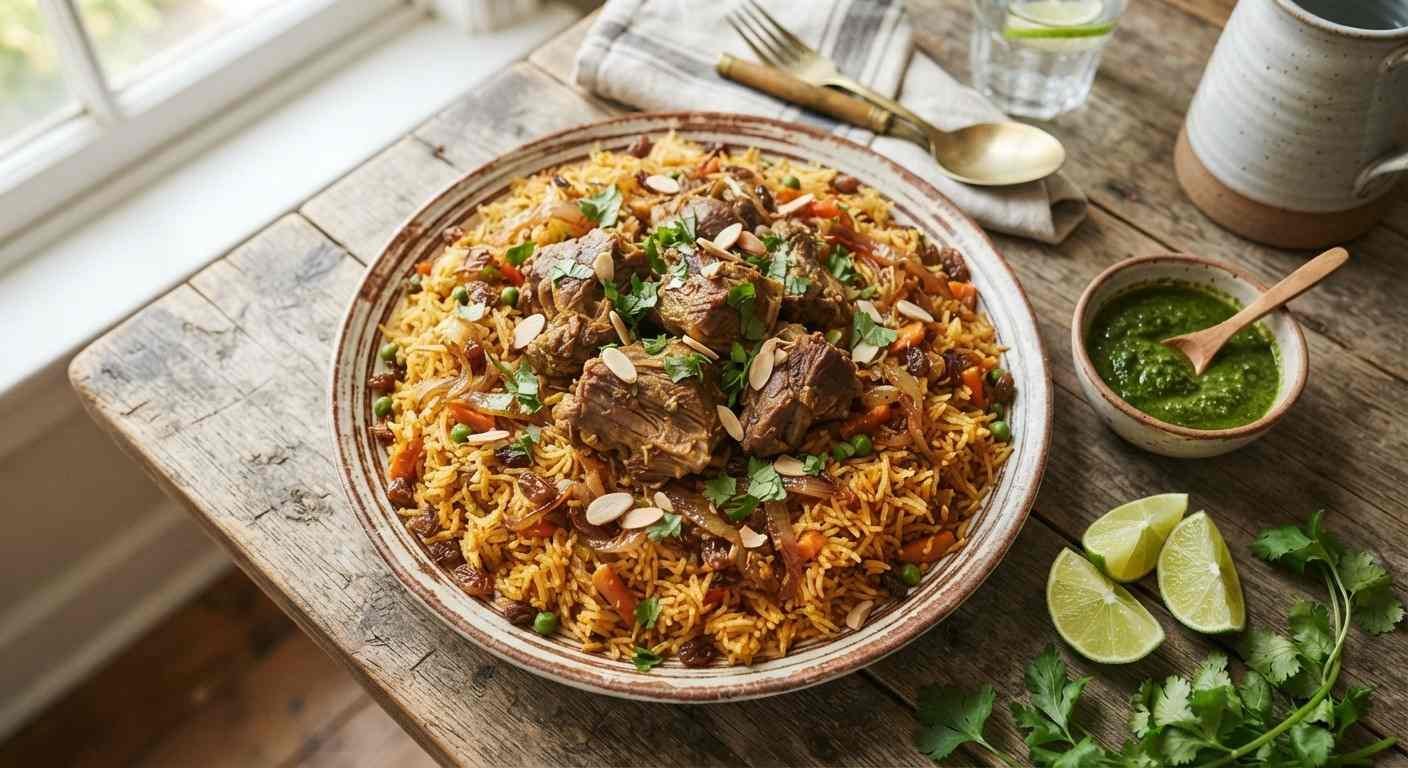
Somali food is the traditional cooking of Somalia and the wider Somali-speaking world, including parts of Djibouti, Ethiopia, and Kenya. It is hearty, aromatic, and built for sharing. Meals revolve around rice, pasta, flatbread, and slow-cooked meat, with fresh sauces on the side.
The cuisine is almost entirely halal. Pork is not eaten and alcohol is avoided, so most dishes suit Muslim diners without any extra checking. Meat is usually the star, but vegetables, beans, and fish feature strongly too.
Search intent: who is this guide for?
Most readers searching this topic fall into three groups: curious eaters who want to know what to try, home cooks looking for authentic dishes, and diners trying to order from a Somali restaurant for the first time. This guide covers all three.
History and Influences Behind Somali Cuisine
Somalia has the longest coastline on mainland Africa, at roughly 3,300 kilometers. That position made it a trading hub between the Horn of Africa, the Arabian Peninsula, and India for centuries.
Arabian and Indian Ocean flavors
Traders brought rice, dates, and warm spices. Today, cardamom, cinnamon, cloves, and cumin still define Somali rice and tea. Sambusa, a close cousin of the Indian samosa, tells the same story.
Italian colonial legacy
Italy governed parts of southern Somalia, and it left a lasting mark. Pasta, known locally as baasto, is served with a spiced meat sauce and often a banana on the side. It is one of the most distinctive fusion habits in East African cooking.
Nomadic pastoral traditions
Livestock herding shaped the diet, which explains the strong place of goat, camel, and milk. Camel milk and dried meat (oodkac) are traditional foods built for travel and dry climates.
Core Ingredients and Spices in Somali Cooking
Staples
- Rice (bariis): the centerpiece of festive meals
- Flour and sorghum: used for flatbreads and porridge
- Goat, lamb, beef, camel: the main proteins
- Fish and seafood: common along the coast
- Beans, lentils, potatoes: hearty sides
Xawaash: the signature spice blend
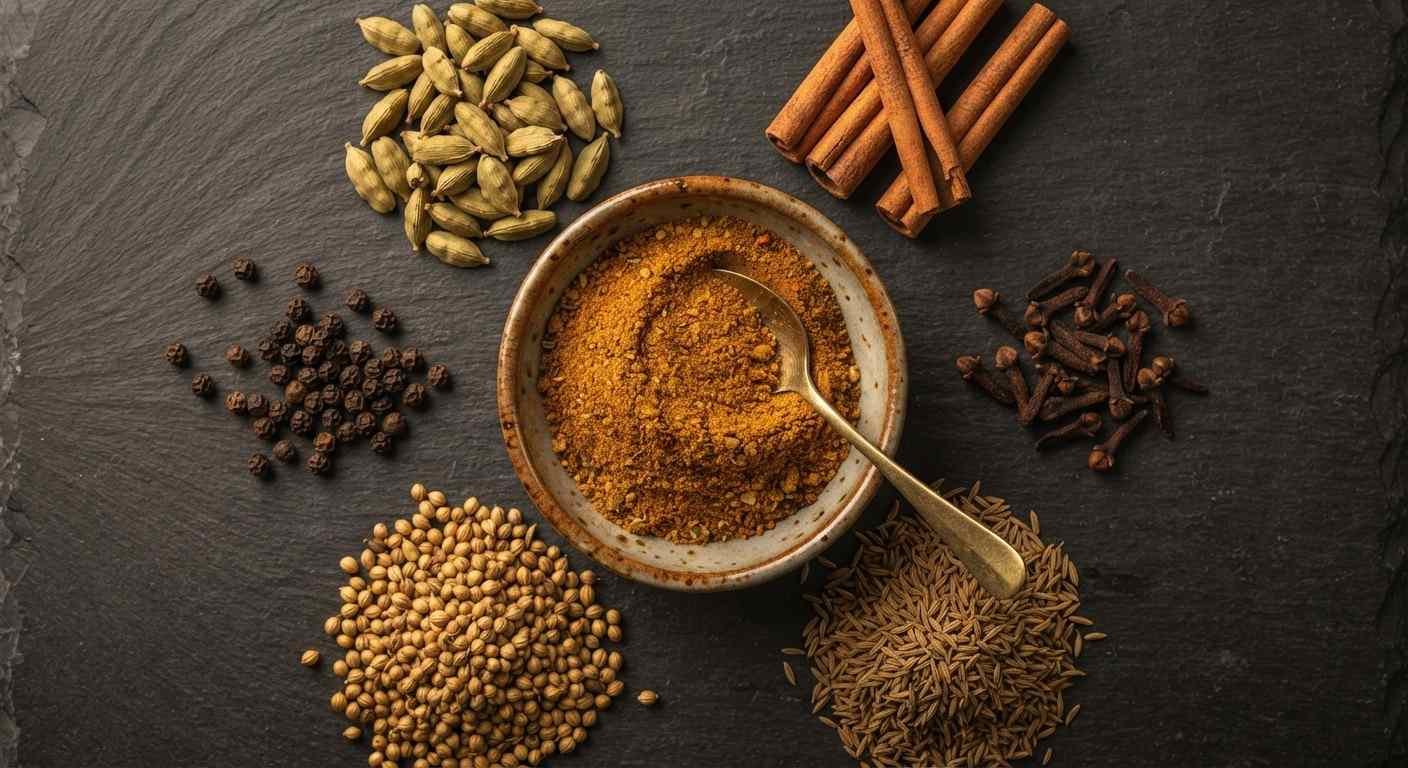
Xawaash (also spelled hawaij) is the backbone of Somali seasoning. A typical home blend combines cumin, coriander, turmeric, cardamom, cinnamon, cloves, and black pepper. It lends meat and rice a warm, rounded fragrance without making them fiery.
Sauces and condiments
Bisbaas is a fresh green chili sauce with cilantro and lime. Suugo is the spiced tomato-based sauce poured over pasta. Many families also keep ghee (subag) on the table.
15 Must-Try Somali Dishes
Main dishes
1. Bariis iskukaris
Fragrant basmati rice cooked with xawaash, onions, and often raisins and carrots. It is the best-known Somali dish and the usual choice for weddings and holidays.
2. Hilib ari (roasted goat)
Goat meat roasted or boiled until tender, often served on a mound of rice. Many Somali families consider it the ultimate celebration meat.
3. Suqaar
Bite-size beef, goat, or camel meat sautéed with onions, peppers, and potatoes. It is quick, filling, and a good first dish for newcomers.
4. Baasto iyo suugo
Spaghetti with a savory meat sauce. It is a living example of Italian influence, and tastes familiar yet distinctly Somali.
5. Maraq
A thin, comforting stew or soup of meat and vegetables. It is often eaten with bread, and in Ramadan it is a common starter.
6. Kalluun (fried fish)
Fresh fish seasoned and fried, especially popular in coastal cities like Mogadishu and Kismayo.
7. Skudahkharis
A rice and lamb dish slow-cooked with aromatics. It is rich, savory, and often compared to other spiced rice pots of the region.
Breads and breakfast
8. Canjeero (anjero or laxoox)
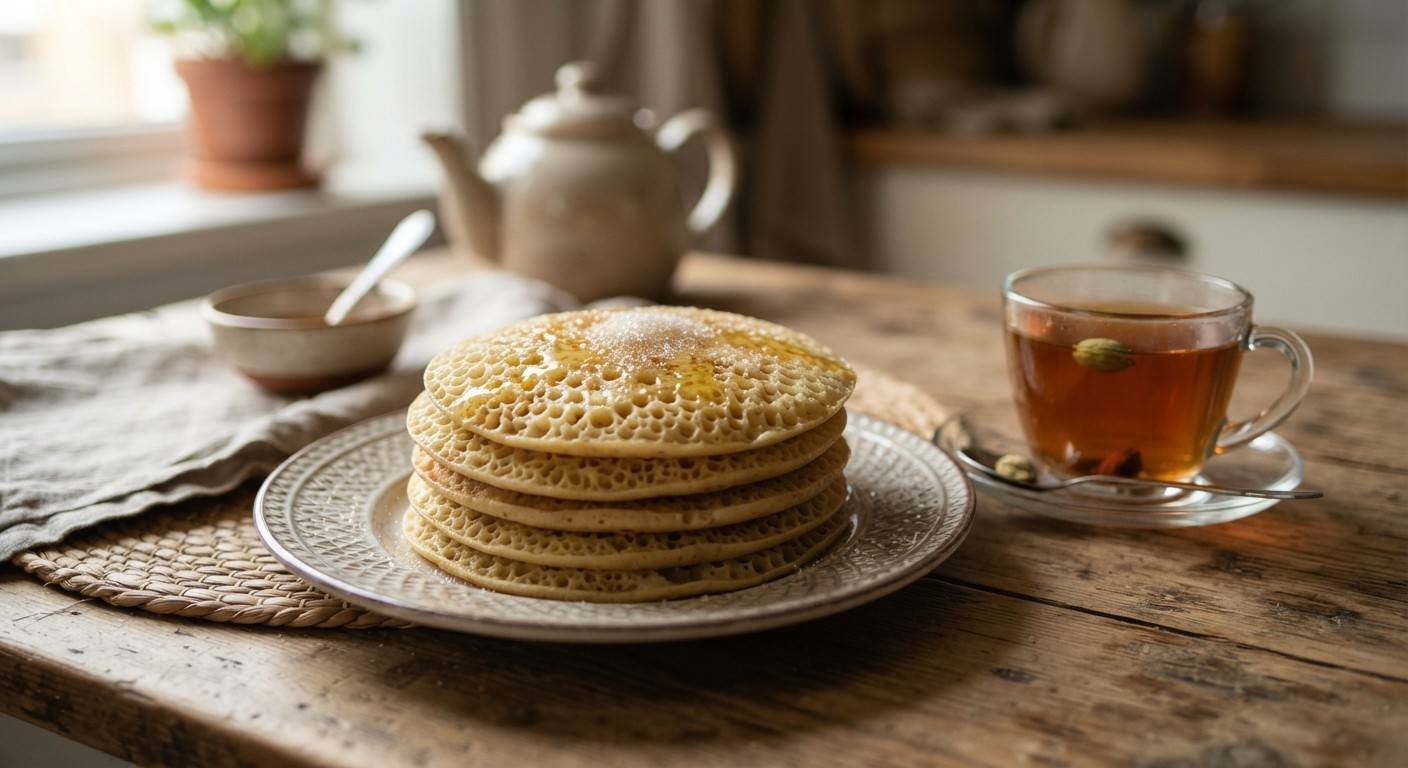
A spongy, fermented pancake cooked on one side only. It is eaten with ghee and sugar for breakfast, or with stew for dinner.
9. Muufo
Cornmeal flatbread baked in a clay oven, usually crumbled and mixed with sesame oil and sugar.
10. Sabaayad
A layered, flaky flatbread similar to paratha, served with stew, eggs, or tea.
11. Fahfah (soor)
Shredded flatbread simmered with meat and spices into a rich, hearty dish.
Snacks and sides
12. Sambusa
Crispy triangles filled with spiced beef, lentils, or vegetables. Sambusa is essential during Ramadan, when it often appears at iftar.
13. Bajiye
Deep-fried bean fritters served with bisbaas.
14. Malawax
A sweet crepe-like pancake flavored with cardamom, usually dipped in tea.
15. Odkac
Dried, spiced meat preserved in ghee, historically a travel food for nomads.
| Dish | Type | Best for | Vegetarian? |
|---|---|---|---|
| Bariis iskukaris | Rice | Celebrations | Can be |
| Suqaar | Meat | First-timers | No |
| Canjeero | Bread | Breakfast | Yes |
| Sambusa | Snack | Ramadan, parties | Lentil version |
| Bajiye | Snack | Street-style bites | Yes |
Somali Drinks and Desserts
Shaah (spiced tea)
Somali tea is brewed with milk and cardamom, cinnamon, or ginger. Hospitality begins with a cup, and refusing it politely is easy but rarely necessary.
Camel milk and fresh fruit juices
Camel milk (caano geel) is slightly salty and traditional across pastoral regions. In cities, mango, papaya, and guava juices are everywhere.
Xalwo (Somali halwa)
A glossy, gelatin-like sweet made from sugar, cornstarch, ghee, cardamom, and nutmeg. It is served at weddings and Eid, often with coffee.
Dining Customs and Food Culture
- Eating together: large platters are shared, and guests are urged to take more.
- Right hand: food is traditionally eaten with the right hand or a spoon.
- Hospitality first: guests are served before the hosts eat.
- Ramadan: meals open with dates, tea, and sambusa.
Meals are also social anchors. Lunch is traditionally the largest meal, and dinner is often late, especially during holidays.
Practical Tips: Cooking and Ordering Somali Food
Tips for cooking at home
- Start with suqaar and rice. It needs few ingredients and teaches xawaash basics.
- Rinse basmati until the water runs clear for fluffy rice.
- Ferment canjeero batter overnight for the best texture.
- Keep bisbaas fresh; make small batches weekly.
Tips for ordering at a restaurant
- Ask for a mixed platter if it is your first time.
- Request bisbaas on the side to control heat.
- Order tea with your meal rather than after it, as locals do.
- Check delivery apps for lunch specials, which are often generous.
Somali Food FAQ
What is the most popular Somali food?
Bariis iskukaris, spiced rice served with goat, beef, or camel, is the most popular and widely recognized Somali dish.
Is Somali food spicy?
Not usually. It is aromatic rather than hot, relying on cardamom, cumin, and cloves. Heat comes from optional bisbaas or chili sauce.
Is Somali food halal?
Yes. Traditional Somali cooking is halal. Pork and alcohol are not used.
What do Somalis eat for breakfast?
Common choices are canjeero with ghee and sugar, malawax, sabaayad with eggs, or muufo, usually with spiced tea.
Is Somali food healthy?
It can be. It features lean meats, fish, legumes, and spices, though some festive dishes are rich in ghee and oil. Moderation and vegetable sides help.
Conclusion: Why Somali Food Deserves a Place on Your Table
Somali food blends Arabian, Indian, Italian, and African traditions into a cuisine that is warm, generous, and deeply tied to hospitality. Whether you start with bariis iskukaris, a quick suqaar, or a morning of canjeero and tea, each dish offers a clear sense of place.
Try one new dish this week, cook it or order it, and share it with someone. That is exactly how Somali meals are meant to be enjoyed.