What Food Can Cause Appendicitis? The Truth, the Myths, and What Really Matters
Seeds? Spicy meals? Junk food? Here is what current medical evidence says about diet and appendicitis, and what to do if the pain starts.
What Is Appendicitis?
Appendicitis is inflammation of the appendix, a small finger-shaped pouch attached to the large intestine in the lower right abdomen. When it becomes inflamed and infected, it can swell, fill with pus and, if untreated, rupture.
How common is it?
Appendicitis is one of the most common causes of sudden abdominal emergencies worldwide.
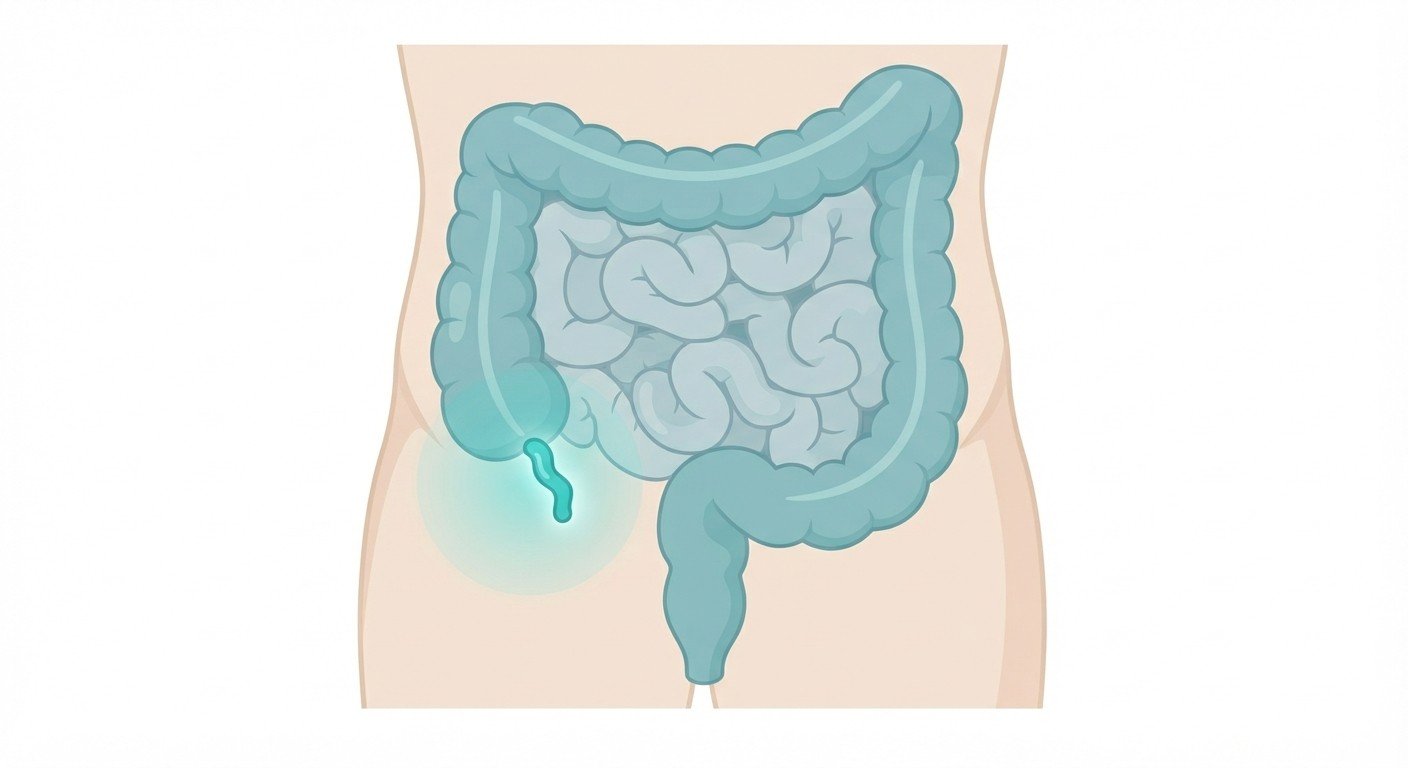
Can Food Really Cause Appendicitis?
The short answer is no, not directly. Doctors have not found a specific food that reliably triggers appendicitis. Still, the question is reasonable, because the appendix sits at the end of the digestive tract and what passes through the gut can influence it.
Researchers think diet may play a supporting role. Eating patterns that lead to constipation and hard stool could make blockage more likely in some people. That is very different from saying one meal, one fruit or one seed caused it.
What Actually Causes Appendicitis?
Most cases begin when the opening of the appendix is blocked. Bacteria then multiply inside, and pressure and inflammation build up.
1. Fecalith (hardened stool)
A small, rock-like piece of stool can lodge in the appendix opening. This is one of the best-known causes and is the main reason fibre and constipation are discussed.
2. Swollen lymphoid tissue
The appendix contains immune tissue. After a viral or bowel infection, that tissue may swell and close off the opening. This is especially common in children and teens.
3. Infections
Gastrointestinal infections, including some bacterial and parasitic ones, can trigger inflammation that leads to appendicitis.
4. Less common causes
- Tumours in the appendix or nearby bowel
- Abdominal injury
- Inflammatory bowel disease
- Foreign objects, which are rare
What about a family history?
Having a close relative with appendicitis is linked with a somewhat higher chance, which suggests genetics may play a part too.
Foods People Blame: Myth vs. Fact
Many families link a painful episode to something eaten the day before. Here is how the most common beliefs hold up.
| Food or habit | Common claim | What the evidence suggests |
|---|---|---|
| Seeds (watermelon, tomato, grape, chilli) | Seeds get stuck in the appendix | Myth. Not proven. Seeds usually pass through normally. |
| Spicy food | Irritates and inflames the appendix | Myth. It may upset the stomach but is not a known cause. |
| Junk and fried food | Directly causes inflammation | Unproven. Poor diet may affect gut health, but no direct link is established. |
| Low-fibre, highly processed diet | Leads to constipation and blockage | Possible indirect factor. Some studies link low fibre with higher risk. |
| Nuts, popcorn, corn | Fragments lodge in the appendix | Myth. No reliable evidence. |
| Contaminated food or water | Causes gut infection | Plausible. Infections can trigger swelling of appendix tissue. |
Diet, Fibre and Appendicitis Risk
The fibre theory
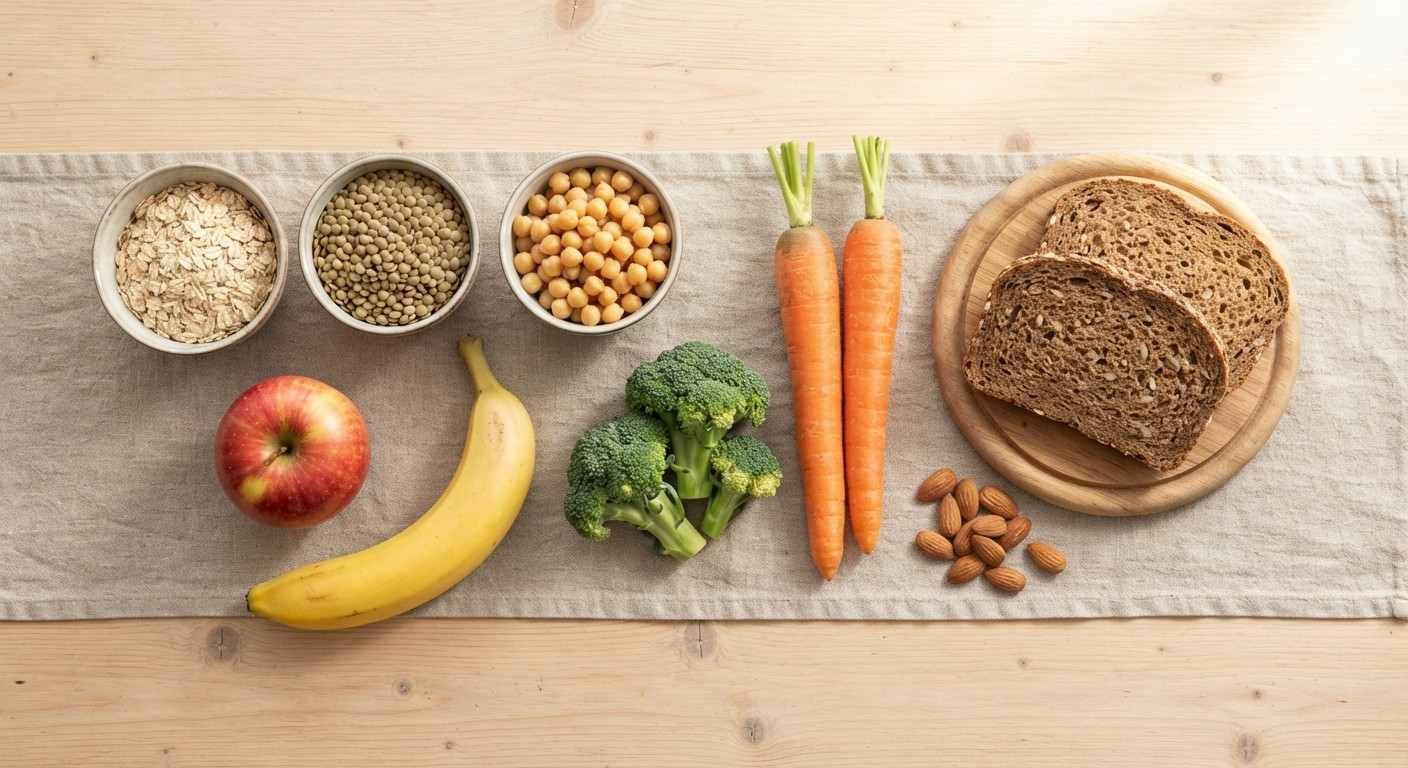
Studies comparing populations have noticed that appendicitis was historically less common where diets were rich in fibre, such as whole grains, legumes, fruits and vegetables. Fibre softens stool and speeds its passage, which may reduce the chance of a fecalith forming.
However, the evidence is mixed. Dietary fibre is one possible factor among many, and eating plenty of it does not guarantee protection.
Other risk factors
- Age: highest between the early teens and 30s
- Sex: slightly more common in males
- Family history of appendicitis
- Recent gut infection or chronic constipation
Symptoms and When to Go to the ER
Classic warning signs
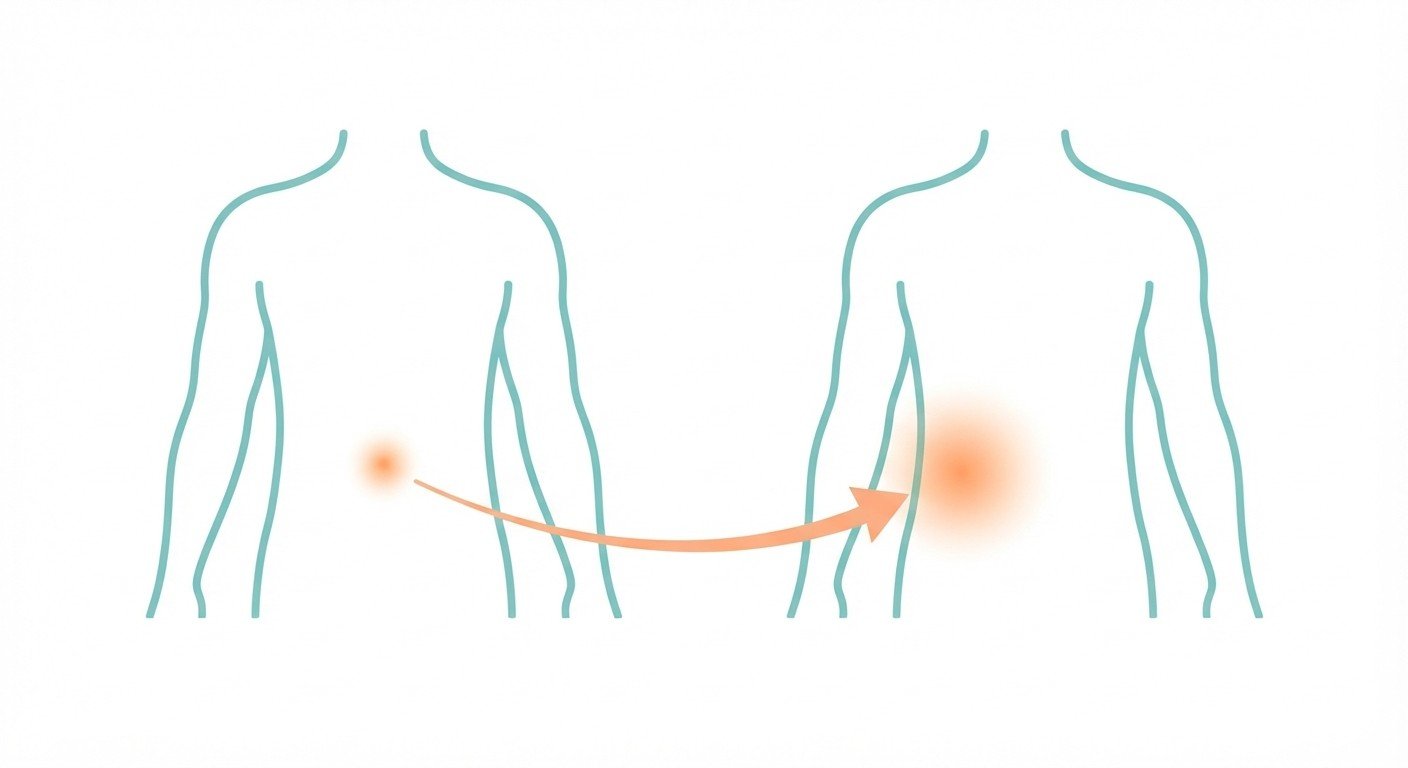
- Dull pain near the belly button that moves to the lower right abdomen
- Pain that worsens with coughing, walking or pressing and releasing the area
- Loss of appetite, nausea or vomiting
- Low-grade fever
- Bloating, constipation or diarrhoea
In children and older adults
Young children may not describe pain clearly and may only seem fussy, feverish or unwilling to eat or move. Older adults can have milder pain, which makes delays more likely.
What to Eat and Avoid
If you suspect appendicitis right now
After appendix surgery
Recovery diets vary, so always follow your surgeon’s instructions. A common pattern looks like this:
✅ Helpful foods
- Clear liquids first: water, broth, diluted juice
- Bland, soft foods: rice, toast, bananas, plain yoghurt, boiled potatoes
- Lean protein such as eggs, fish or chicken to support healing
- Gradual return of fibre: oats, cooked vegetables, fruit, lentils
⛔ Foods to limit for a while
- Greasy, fried or very spicy dishes
- Large heavy meals
- Carbonated and caffeinated drinks
- Alcohol, especially while taking pain medication
Drink plenty of fluids, eat small portions, and tell your care team if vomiting, fever or worsening pain appears.
Practical Tips to Support Digestive Health
- Aim for fibre-rich meals. Add a serving of vegetables, fruit, beans or whole grains to each meal.
- Increase fibre slowly and drink enough water so it works properly.
- Practise food hygiene. Wash hands, cook meat thoroughly and drink safe water to cut infection risk.
- Do not ignore constipation that keeps coming back.
- Never self-treat abdominal pain. Delay is the main danger, not diet.
Frequently Asked Questions
Can eating seeds cause appendicitis?
No. Seeds from watermelon, tomato or grapes have not been proven to cause it. A blocked appendix is usually due to hardened stool, swollen lymph tissue or infection.
Can spicy or junk food cause appendicitis?
There is no strong evidence that they directly do. A very low-fibre diet may contribute to constipation, which is a possible indirect factor.
What are the first signs of appendicitis?
Pain often begins around the navel, then shifts to the lower right abdomen, with nausea, appetite loss and sometimes a mild fever.
What should you eat if you suspect appendicitis?
Nothing. Go to an emergency department, because surgery or tests may be needed.
What can you eat after appendix surgery?
Most people start with clear liquids, move to bland soft foods, and slowly restore fibre-rich meals as advised by their surgeon.
Conclusion
So, what food can cause appendicitis? Based on today’s evidence, none directly. Seeds, spice and snacks are largely myths. The real causes are blockage from hardened stool, swollen lymph tissue or infection, with a low-fibre diet as a possible, indirect contributor.
A balanced, fibre-rich diet and good food hygiene support gut health, but they cannot guarantee prevention. If lower-right abdominal pain develops, skip the guesswork about food and get medical help quickly.