Healthy Eating Guide · Updated 2026
Real Food Dietitians: Recipes, Meal Prep & How to Eat the Real Food Way
Who they are, which recipes people search for most, and how to bring dietitian-style real food cooking into a busy week.
Real Food Dietitians (often searched as “real food dieticians”) is a popular recipe and nutrition website created by registered dietitians. Its focus is simple: family-friendly meals made from whole, recognizable ingredients, without the overwhelm of strict diet rules.
This guide explains what the brand is known for, which dishes readers look up most, and how anyone can apply the same real food principles at home. It is general education, not personal medical advice.
What Does “Real Food Dietitians” Mean?
The phrase has two layers. First, it is a brand name. Second, it describes a style of eating: real food means ingredients that look like they came from a farm, a garden, or a kitchen, not a lab.
Where the content lives
The site is organized the way home cooks actually plan dinner. Its sections include:
- Meal prep recipes for cooking once and eating several times
- Skillet meals and sheet pan meals for fast cleanup
- Soups and chilis for cozy, freezer-friendly dinners
- Instant Pot recipes for pressure-cooker shortcuts
- E-books and a cookbook for people who prefer structured plans
- A YouTube channel with cooking walk-throughs
Why Are So Many People Searching for Real Food Dietitians?
Search interest is strong and steady. In Ahrefs keyword data, the brand term shows more than 1,000 monthly searches in the United States, and a long tail of recipe searches sits behind it, mostly with low keyword difficulty.
The search intent behind the keyword
- Navigational: readers who want the website or a specific recipe page
- Informational: people asking how to cook a dish or whether the advice is trustworthy
- Commercial: shoppers comparing meal plans, e-books, and cookbooks
The Most-Loved Real Food Dietitians Recipes
Recipe-specific searches reveal what readers actually cook. These are among the most frequent variations seen in keyword data.
| Recipe | Why people love it | Best for |
|---|---|---|
| White chicken chili | Creamy texture, high protein, easy to freeze | Cold-weather dinners |
| Egg bites | Grab-and-go protein, reheats in seconds | Busy breakfasts |
| Baked oatmeal | Cooks once, feeds the week | Meal prep breakfasts |
| Crockpot lasagna | Comfort food with hands-off cooking | Family dinners |
| Egg roll in a bowl | Takeout flavor, one pan, low effort | Fast weeknights |
| Chicken pot pie | Cozy classic with a lighter spin | Sunday suppers |
| Taco pasta & hamburger soup | Kid-friendly, uses pantry staples | Picky eaters |
| Beef stroganoff & crockpot beef ramen | Rich flavor with simple swaps | Slow cooker days |
Breakfast: egg bites and baked oatmeal
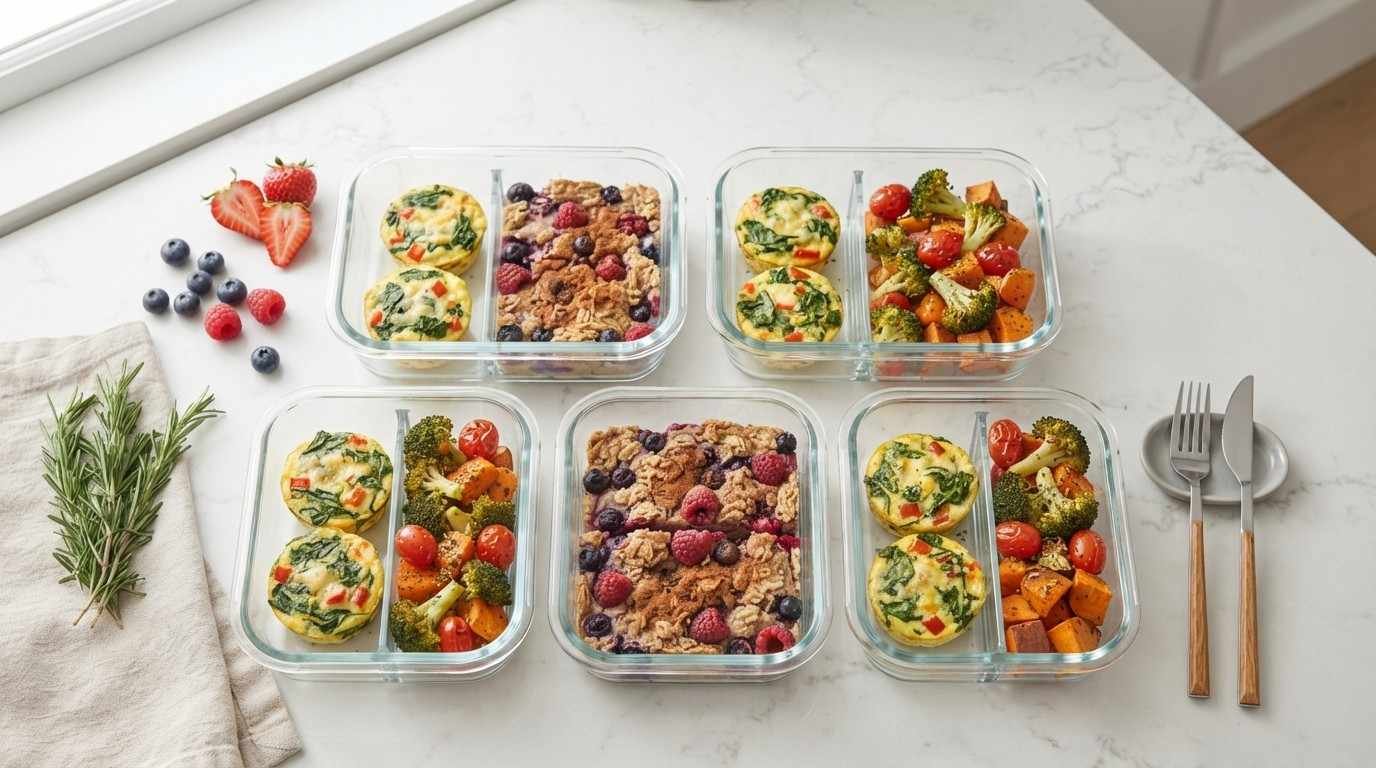
Egg bites deliver protein early in the day and keep well in the fridge for several days. Baked oatmeal works the same way: bake one tray, slice, and reheat. Pairing either with fruit adds fiber.
Dinner: chilis, skillets, and slow cooker meals
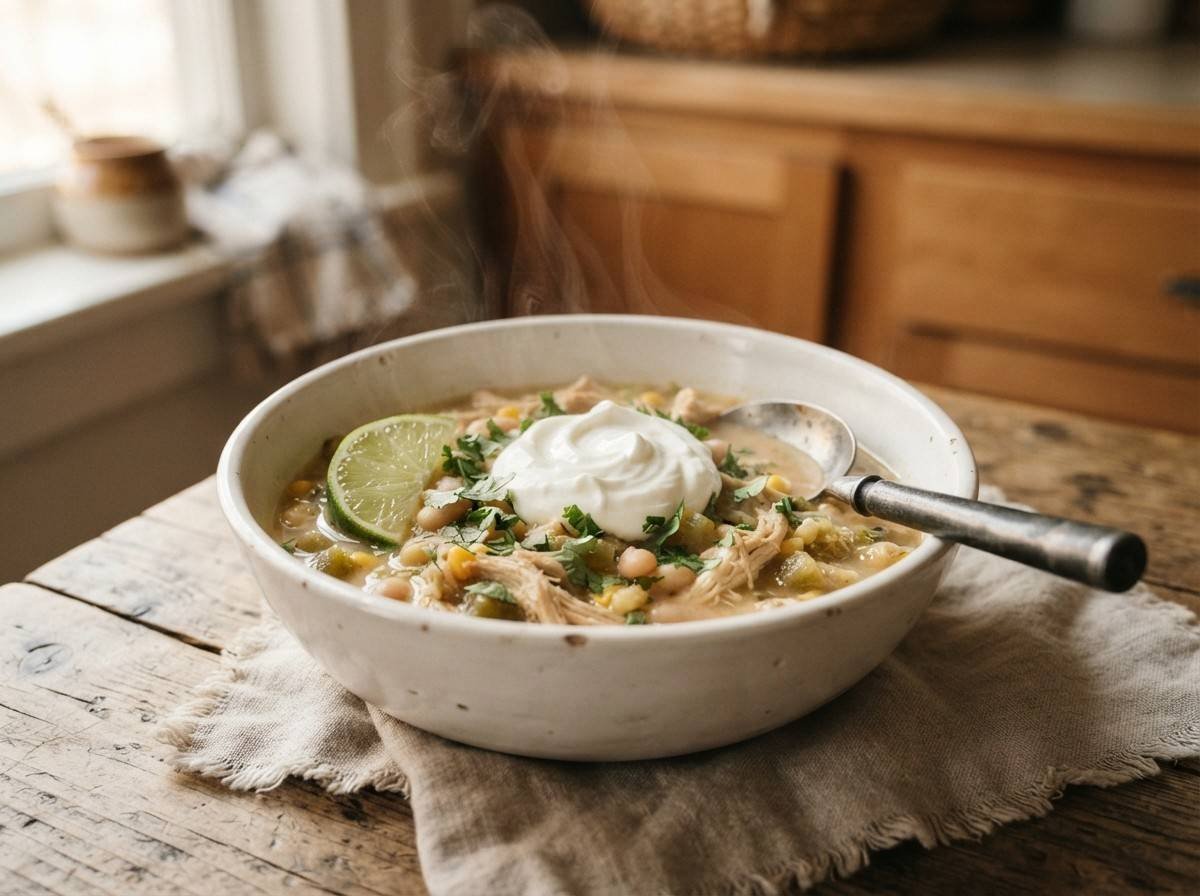
White chicken chili is a great example of the style. It relies on beans, chicken, and spices rather than heavy processed shortcuts. Dishes such as marry me chicken, sloppy joes, and hamburger helper–style skillets show how familiar comfort foods can be rebuilt with simpler ingredients.
Quick swap ideas
- Use Greek yogurt in place of some sour cream or cream
- Choose whole-grain pasta or add extra vegetables to sauces
- Make your own taco seasoning to control sodium
- Bulk up soups with beans or lentils for fiber
The Real Food Approach: 6 Principles That Work
1. Start with ingredients you can name
A short ingredient list is a helpful rule of thumb. Vegetables, beans, eggs, fish, poultry, whole grains, nuts, and dairy are all real food building blocks.
2. Build balanced plates
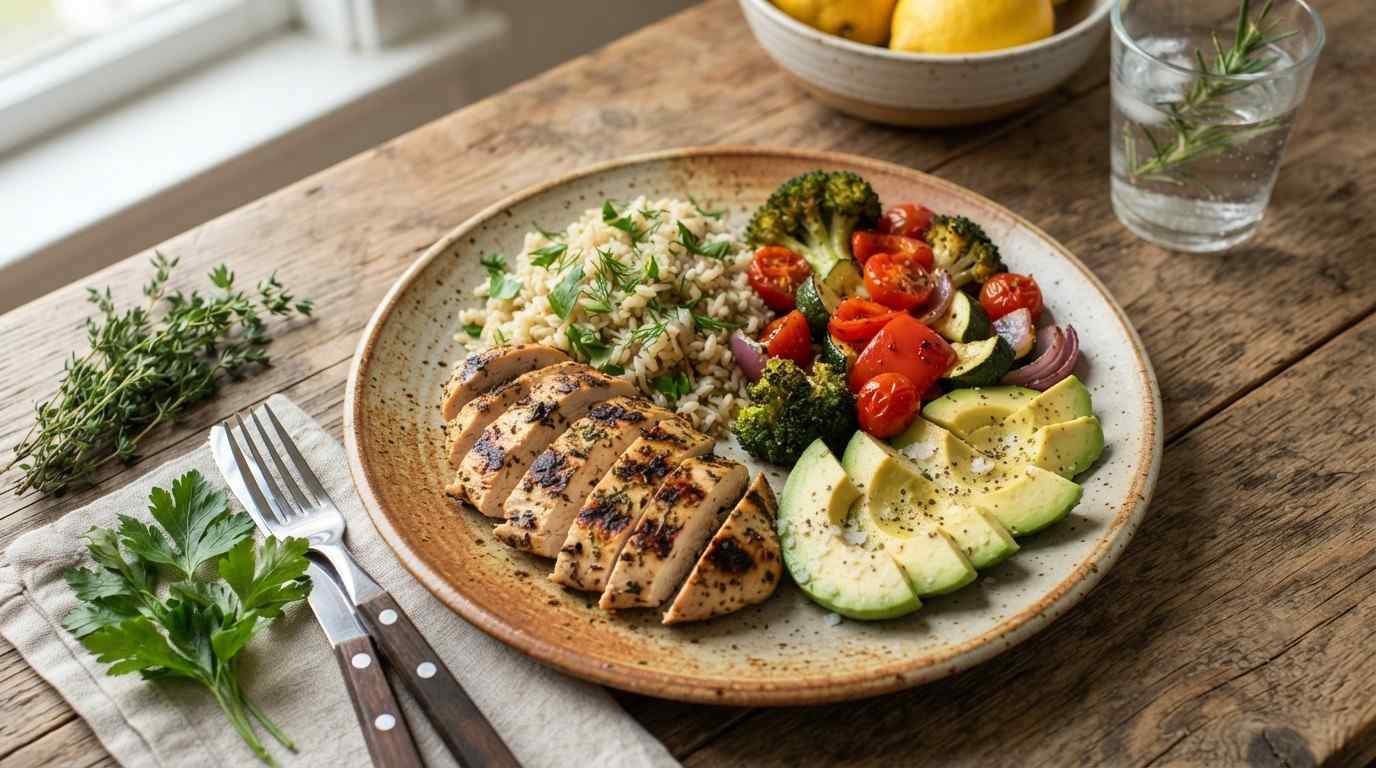
Aim for protein, fiber-rich carbohydrates, healthy fats, and produce at most meals. This keeps energy steadier and meals more satisfying.
3. Cook more often, not perfectly
Home cooking generally gives more control over sodium, added sugar, and portions. Even two or three home-cooked dinners per week is a meaningful step.
4. Don’t demonize foods
Dietitian-led advice usually favors flexibility over rigid rules. Pasta, cheese, and even a sweet treat can fit into a pattern that is mostly whole foods.
5. Mind the numbers that matter
Research on American diets shows why real food gets attention. Analyses of national survey data have estimated that ultra-processed foods supply more than half of adult calories, and most adults fall short of the daily fiber target of roughly 25–34 grams. Check current figures from the CDC and the Dietary Guidelines for Americans before citing them.
6. Make it fit your family
The best plan is the one a household will repeat. Allergies, budgets, culture, and taste all matter.
Meal Prep and Time-Saving Strategies
Meal prep is the heart of the brand’s content. These strategies copy that style.
- Pick one prep window. Sunday afternoon works for many families.
- Cook components, not only meals. Roast vegetables, cook a grain, and prepare a protein to mix and match.
- Use sheet pans and one-pot meals. Less cleanup keeps the habit going.
- Freeze in portions. Chilis, soups, and casseroles freeze well; label with the date.
- Follow food safety rules. Refrigerate leftovers within two hours and reheat to 165°F (74°C).
Real Food vs. Ultra-Processed Food: A Quick Comparison
| Feature | Real food cooking | Ultra-processed convenience |
|---|---|---|
| Ingredients | Short, recognizable list | Long, with additives and flavorings |
| Fiber | Usually higher (beans, produce, whole grains) | Often lower |
| Sodium control | You season to taste | Often high |
| Prep time | Moderate; improves with batching | Very fast |
| Cost | Often lower per serving | Varies; frequently higher |
A 7-Day Real Food Starter Plan
- Day 1: Baked oatmeal breakfast; egg roll in a bowl for dinner
- Day 2: Egg bites with fruit; leftovers for lunch
- Day 3: White chicken chili (make extra for the freezer)
- Day 4: Sheet pan chicken and vegetables
- Day 5: Taco pasta with a side salad
- Day 6: Crockpot lasagna or beef stroganoff
- Day 7: Reset: shop, prep, and plan next week
Frequently Asked Questions
Who are the Real Food Dietitians?
They are a team of registered dietitians who publish recipes, meal prep guides, e-books, and a cookbook focused on whole-food eating for everyday families.
Are Real Food Dietitians recipes healthy?
Most recipes emphasize whole ingredients, protein, and fiber. Whether a recipe suits you depends on your health needs, so adjust portions and ingredients with your own provider’s advice.
Is it “dietitian” or “dieticians”?
“Dietitian” is the standard spelling used by professional organizations. “Dietician” is a common variant, which is why both spellings appear in search.
What is the most popular Real Food Dietitians recipe?
Search data points to white chicken chili, egg bites, baked oatmeal, and crockpot lasagna as frequently searched dishes.
Can real food meal prep save money?
Often, yes. Buying staples in bulk, cooking at home, and freezing portions reduce waste and takeout spending.
Conclusion
Real Food Dietitians has become a trusted name because it solves a common problem: how to eat well on a busy schedule without giving up flavor. Its approach centers on whole ingredients, balanced plates, and meal prep that fits real life.
Start small. Pick one recipe from the list above, such as white chicken chili or baked oatmeal, cook it this week, and build from there. Consistent, flexible habits beat perfect plans every time.